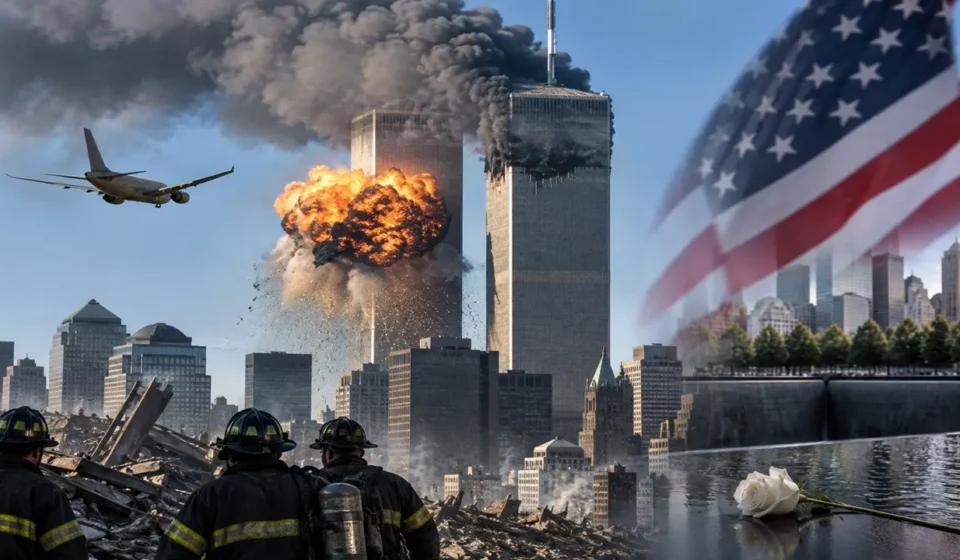
The World’s 10 Deadliest Terrorist Attacks
Terrorist attacks are often remembered through images: smoke rising above Manhattan, a school gymnasium in Beslan filled with hostages, a burning shopping district in Baghdad, or a field of wreckage outside the Scottish town of Lockerbie.
Behind those images were thousands of individual lives. Each number represented a family, a workplace, a congregation, a classroom, or a community suddenly transformed by violence.
Ranking the deadliest terrorist attacks is difficult. Some incidents took place during wars. Some death tolls changed as the injured later died or missing people were identified. In other cases, the attackers were included in the official total, while in others they were not. There is also disagreement over whether certain massacres committed by terrorist organizations during armed conflicts should be classified as terrorist attacks, war crimes, or both.
The ranking below focuses mainly on individual attacks or closely connected operations carried out by nonstate terrorist organizations. The figures generally exclude the perpetrators when reliable records allow that distinction.
1. The September 11 attacks, United States, September 11, 2001
The September 11 attacks remain the deadliest terrorist attack in recorded history.
Nineteen al Qaeda hijackers seized four commercial airliners after they departed from airports in the northeastern United States. American Airlines Flight 11 and United Airlines Flight 175 were flown into the North and South Towers of the World Trade Center in New York. Both towers collapsed after the impacts and the fires that followed.
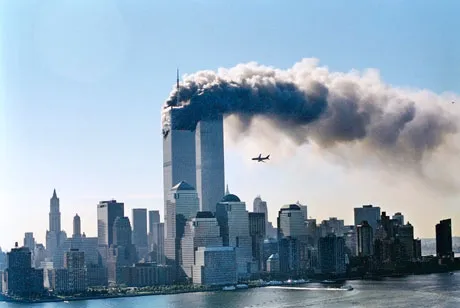
American Airlines Flight 77 struck the Pentagon in Arlington, Virginia. United Airlines Flight 93 crashed into a field near Shanksville, Pennsylvania, after passengers and crew attempted to regain control of the aircraft. Investigators believe the hijackers intended to use the plane against another important target in Washington.
A total of 2,977 victims were killed, not including the 19 hijackers. The dead included office workers, airline passengers, firefighters, police officers, paramedics, military personnel, and people working in or visiting the World Trade Center complex.
The attacks changed American foreign policy, airport security, intelligence operations, and the legal framework surrounding terrorism. They also triggered the United States led invasion of Afghanistan and helped shape two decades of international military operations. The 9/11 Commission described the attacks as a failure of imagination, intelligence sharing, and preparation across multiple government agencies. (911commission.gov)
2. The Camp Speicher massacre, Iraq, June 12 to June 14, 2014
The Camp Speicher massacre was one of the largest mass killings committed by the Islamic State, also known as ISIS.
In June 2014, ISIS captured large areas of northern Iraq, including the city of Tikrit. Thousands of Iraqi military cadets and personnel fled or were taken from the Tikrit Air Academy, commonly known as Camp Speicher. Many of the captives were young men who were unarmed or had been persuaded that they would be allowed to return home.
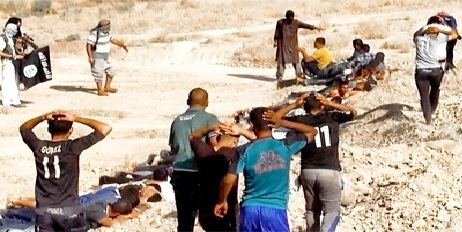
The captives were separated into groups. Evidence collected by investigators showed that many were selected for execution because they were Shia Muslims. Some were shot in groups, while others were taken to locations near the Tigris River. ISIS filmed and distributed images of the killings as part of its propaganda campaign.
The exact death toll remains difficult to establish. Earlier Iraqi estimates ranged from approximately 1,100 to 1,700 victims. A United Nations investigative report concluded that about 1,700 soldiers, cadets, and volunteers were killed between June 12 and at least June 14, 2014. (iraq.un.org)
The massacre is often described as both a terrorist atrocity and a war crime. That dual classification is one reason lists of terrorist attacks do not always rank it in the same position.
3. The Qahtaniyah bombings, Iraq, August 14, 2007
On the evening of August 14, 2007, four suicide vehicle bombs exploded in two Yazidi communities in northern Iraq. The attacks struck Qahtaniyah, also known as Til Ezer, and Jazeera, also known as Siba Sheikh Khidir.
The Yazidis are a religious minority whose beliefs differ from both Islam and Christianity. During the Iraq War, they were increasingly targeted by Sunni extremist groups that regarded them as heretics. The bombings came after growing sectarian tension and the killing of a Yazidi teenager, Dua Khalil Aswad, whose death intensified hostility toward the community.
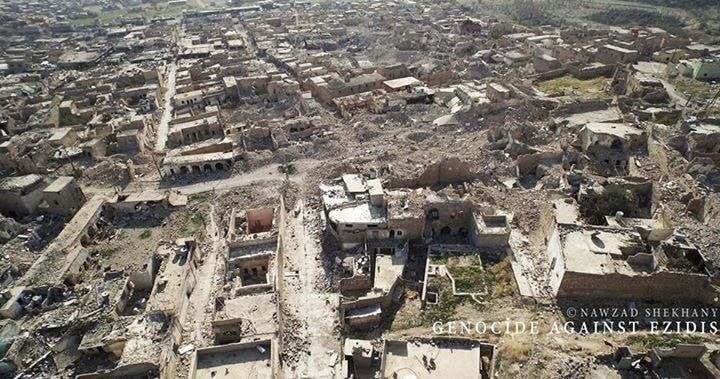
The blasts destroyed homes, shops, and vehicles and overwhelmed local medical facilities. At least 796 people were killed and more than 1,500 were wounded. The attacks were widely attributed to al Qaeda in Iraq, although no organization formally claimed responsibility. They were among the deadliest coordinated bombings of the Iraq War. (en.wikipedia.org)
The Qahtaniyah attacks were not merely an assault on a crowded public place. They were an attack on an entire religious community. Their scale foreshadowed the campaign of mass murder, enslavement, and forced displacement that ISIS later carried out against the Yazidis in 2014.
4. The Mogadishu truck bombing, Somalia, October 14, 2017
On October 14, 2017, a truck loaded with explosives detonated at the busy Zoobe Junction in Mogadishu.
The area was filled with commuters, street vendors, workers, and people traveling through the Somali capital. The blast struck near hotels, government buildings, and a fuel tanker. The resulting fire intensified the destruction and made the rescue operation even more difficult.
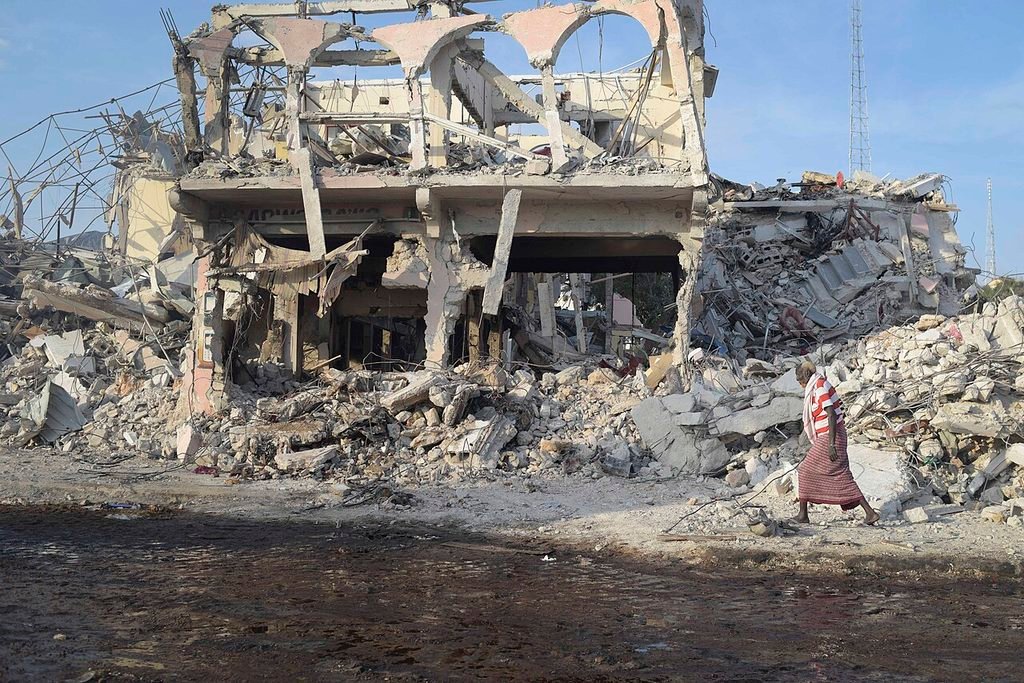
The main explosion killed at least 587 people and injured hundreds more. The United Nations described it as the deadliest terrorist bombing in Africa involving an improvised explosive device. A second explosion also occurred nearby, although almost all of the casualties came from the main truck bomb. (somalia.un.org)
Al Shabaab was widely suspected of carrying out the attack, but the group did not formally claim responsibility. United States government reports later described al Shabaab as believed to be responsible for the bombing. (2021-2025.state.gov)
The attack demonstrated the destructive power of vehicle bombs in densely populated cities. It also exposed the vulnerability of Mogadishu, where civilians had already endured years of insurgency, political instability, and repeated extremist attacks.
5. The Beslan school siege, Russia, September 1 to September 3, 2004
The Beslan school siege began on September 1, 2004, the first day of the academic year in Russia.
Armed militants seized School Number One in Beslan, a town in North Ossetia. More than 1,000 people were trapped inside the building, including children, parents, teachers, and school employees. The attackers packed hostages into the school gymnasium and surrounded the room with explosives.
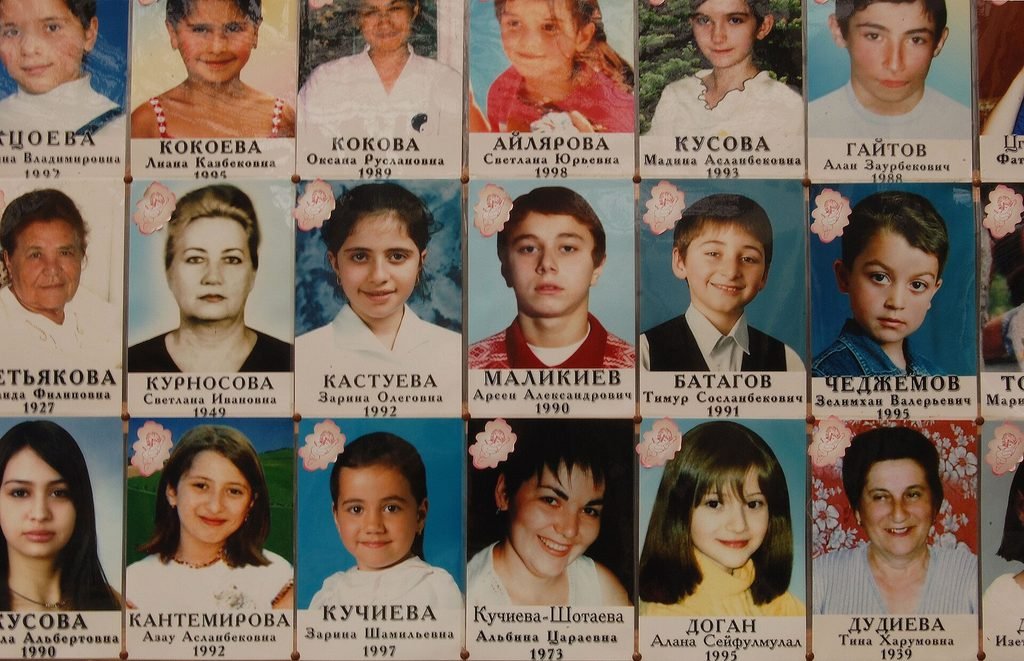
For nearly three days, the hostages endured extreme heat, thirst, hunger, and fear. The crisis ended on September 3 when explosions and gunfire broke out inside the school. Russian security forces stormed the building as the attackers attempted to flee or continue fighting.
The final death toll was 334 hostages and other civilians, including 186 children. More than 30 attackers also died. Russian authorities reported that hundreds of people were wounded. (en.mchs.gov.ru)
Beslan remains one of the most devastating school attacks and hostage crises in modern history. The tragedy also led to intense criticism of the Russian authorities over the handling of the siege, the decision to use heavy weapons, and the lack of transparency surrounding the rescue operation.
6. The Karrada bombing, Iraq, July 3, 2016
In the early hours of July 3, 2016, a suicide bomber drove an explosives packed vehicle into the Karrada district of Baghdad.
Karrada was one of the capital’s busiest commercial neighborhoods. The attack took place during the final days of Ramadan, when families were shopping and eating late into the night before the Eid holiday.
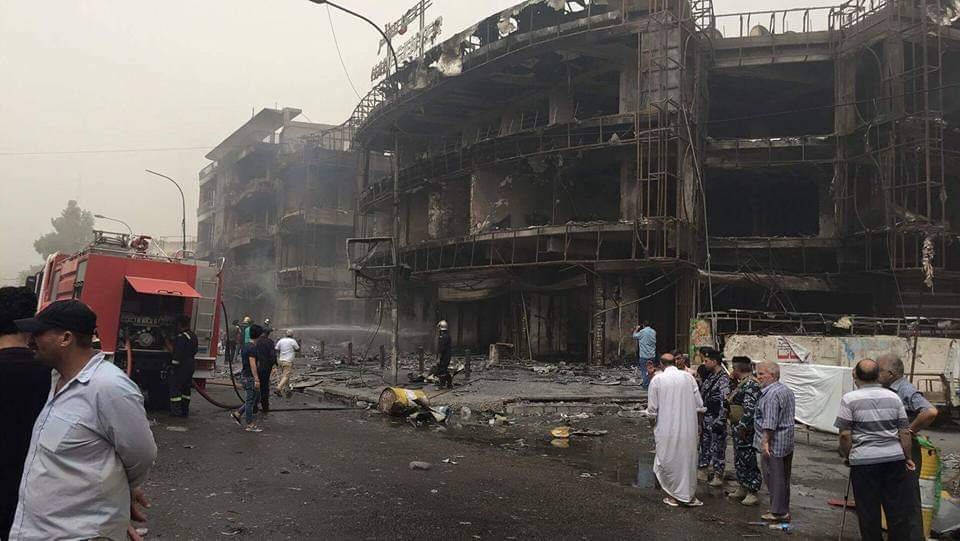
The explosion caused a massive fire that spread through shops and nearby buildings. Many victims died from the blast, while others were trapped by flames and smoke. The Iraqi Health Ministry eventually reported that 324 people had been killed. Hundreds more were injured.
The Islamic State claimed responsibility, saying the attack had targeted Shia Muslims. It became one of the group’s deadliest attacks against civilians and one of the worst bombings in Baghdad since the United States led invasion of Iraq in 2003. (rudaw.net)
The attack left a deep mark on Karrada. Families searched hospitals for missing relatives, while burned shops and apartment buildings remained symbols of the city’s vulnerability to sectarian violence.
7. The Sinai mosque attack, Egypt, November 24, 2017
On November 24, 2017, gunmen attacked the Al Rawda Mosque in Bir al Abed, North Sinai, during Friday prayers.
The mosque was associated with Sufi Muslims, a spiritual tradition that extremist groups often condemn as heretical. The attackers opened fire on worshippers inside the mosque and positioned vehicles outside to block escape routes. Reports also said that ambulances arriving at the scene were targeted.
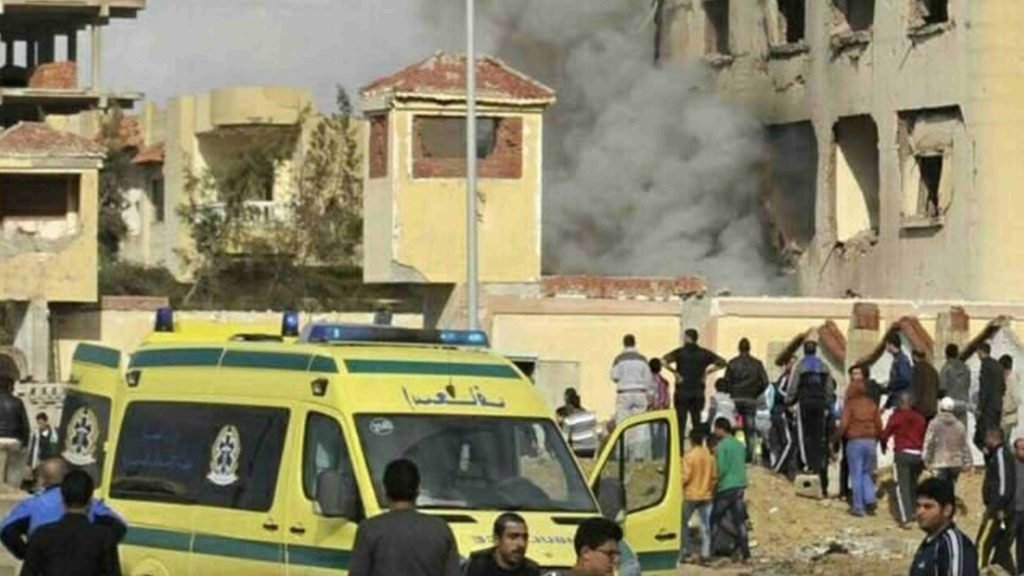
At least 305 people were initially reported killed, including 27 children. Later investigations and human rights reports placed the death toll at 311. The attack became the deadliest terrorist incident in Egypt’s modern history. (hrw.org)
The attackers were believed to have links to the Islamic State’s Sinai affiliate, although no group immediately claimed responsibility. The massacre was especially shocking because the victims were not gathered for a political meeting or military operation. They were worshippers attending weekly prayers.
8. The Beirut barracks bombings, Lebanon, October 23, 1983
On October 23, 1983, two suicide truck bombs struck buildings occupied by American and French peacekeeping forces in Beirut.
The first bomber drove into the United States Marine barracks near Beirut International Airport. The explosion collapsed the building and killed 241 American service members, including Marines, sailors, and soldiers.
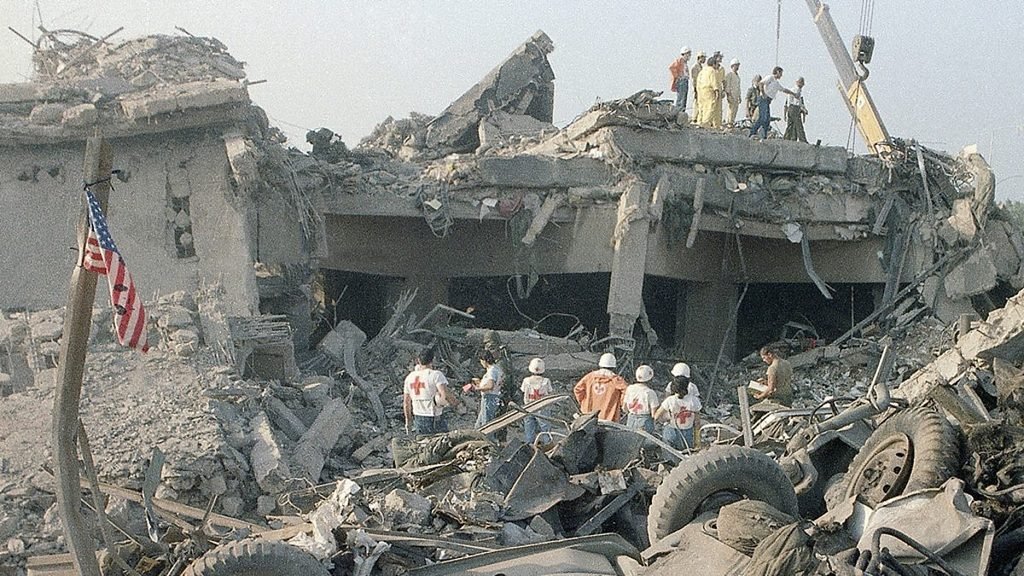
A second bomber attacked the French contingent several miles away. Fifty eight French military personnel were killed. Several civilians also died, bringing the number of victims to approximately 305, while the total death toll is sometimes reported as 307 when the two attackers are included.
The bombings took place during the Lebanese Civil War, when the multinational force was attempting to stabilize Beirut after Israel’s invasion of Lebanon. The attack demonstrated how suicide vehicles could be used against heavily guarded military facilities.
The United States Department of Defense records the deaths of 241 American service members and 58 French personnel. (defense.gov)
The bombings helped reshape military thinking about force protection, intelligence, and the danger posed by militant groups operating in unstable urban environments. American and French forces later withdrew from Lebanon.
9. The Pan Am Flight 103 bombing, Scotland, December 21, 1988
On December 21, 1988, Pan Am Flight 103 exploded over the Scottish town of Lockerbie.
The Boeing 747 was traveling from London to New York when a bomb hidden inside luggage detonated less than an hour after takeoff. The aircraft broke apart in the sky. Large sections of the plane fell onto Lockerbie, destroying homes and killing people on the ground.
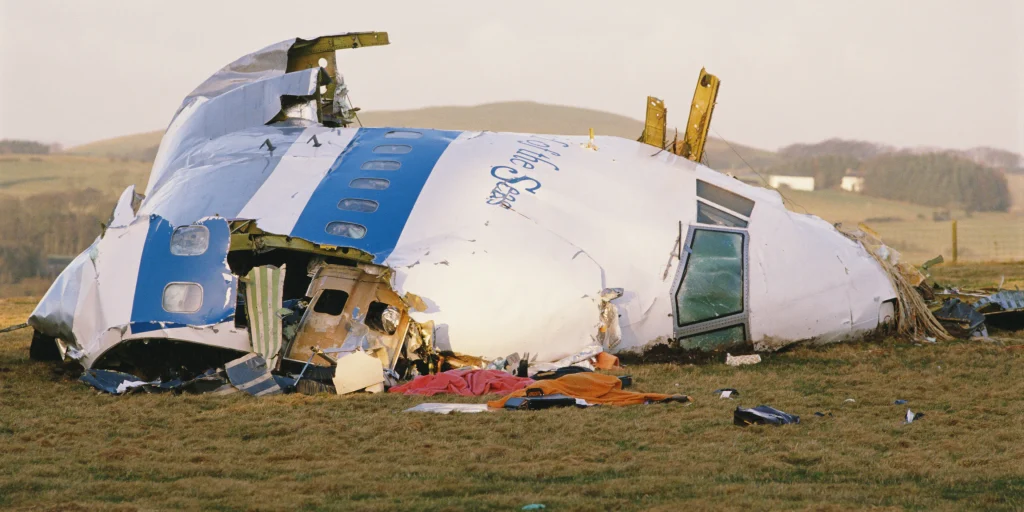
All 259 people aboard the aircraft died. Eleven residents of Lockerbie were also killed, bringing the total death toll to 270. The victims came from 21 countries, including 190 Americans. (fbi.gov)
The investigation lasted for years and became one of the most complex international terrorism cases ever pursued. Investigators eventually linked the bombing to Libyan intelligence officers. In 2001, Libyan agent Abdelbaset al Megrahi was convicted by a Scottish court sitting in the Netherlands. He was later released on compassionate grounds and died in Libya in 2012.
Lockerbie changed international aviation security and became a lasting symbol of the global reach of state sponsored terrorism.
10. The Sri Lanka Easter bombings, Sri Lanka, April 21, 2019
On Easter Sunday, April 21, 2019, suicide bombers attacked churches and luxury hotels in Sri Lanka.
The first explosions struck worshippers attending Easter services at St Anthony’s Shrine in Colombo, St Sebastian’s Church in Negombo, and a church in Batticaloa. Bombs also exploded at the Shangri La, Cinnamon Grand, and Kingsbury hotels in Colombo. Later explosions occurred as authorities searched for additional devices.
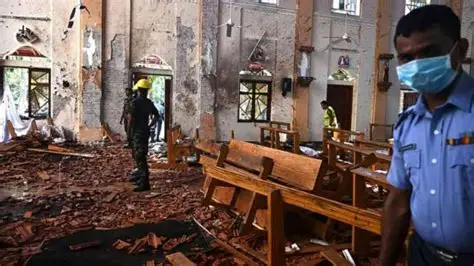
The attackers belonged to National Thowheed Jamaath, a local extremist group influenced by Islamic State ideology. The bombings killed approximately 269 people in the commonly cited count, including foreign visitors, children, worshippers, hotel guests, and security personnel. A Sri Lankan parliamentary report gave a higher figure of about 277 when the suicide bombers were included. More than 400 people were wounded. (parliament.lk)
The attacks were especially traumatic because they struck during one of Christianity’s holiest celebrations. They also exposed serious failures in intelligence sharing. Sri Lankan investigators found that warnings about a possible attack had reached senior officials before Easter Sunday but were not acted upon effectively. (parliament.lk)
A note about October 7, 2023
The Hamas-led attack on southern Israel on October 7, 2023, killed approximately 1,200 people, according to the revised Israeli government figure. The assault included mass shootings, attacks on communities and military bases, and the taking of hostages.
By death toll alone, it would rank near the top of this list. It is sometimes treated separately because it occurred during a wider armed conflict between Israel and Hamas. That classification does not reduce the scale of the attack or the suffering of its victims. It reflects the difficulty of separating terrorism from warfare when a militant organization controls territory and is engaged in an ongoing conflict. (aljazeera.com)
The original estimate was approximately 1,400 deaths. Israeli authorities later revised the number to around 1,200 after identifying some previously counted bodies as attackers rather than victims. (aljazeera.com)
Why the numbers remain disputed
Death tolls are not always fixed in the hours after an attack. People who are critically injured may die days or weeks later. Fires and explosions can make identification difficult. Bodies may remain missing, especially after attacks in countries where hospitals and government records have been damaged by war.
There is also no single universal definition of terrorism. The Global Terrorism Database uses a specific set of criteria for identifying terrorist incidents, while governments, courts, historians, and human rights organizations may use different standards. Some attacks are included in terrorism databases even when they occur during civil wars. Others are classified primarily as war crimes or massacres. (start.umd.edu)
For that reason, this list should be read as a carefully researched overview rather than an unquestionable final ranking. The figures are best understood as the most widely supported estimates available from official investigations, United Nations reports, government records, and established human rights organizations.
What unites these attacks is not only their scale. It is the deliberate targeting of ordinary people, including passengers, children, worshippers, shoppers, office workers, soldiers, and families. The numbers help explain the magnitude of each tragedy, but they can never fully represent the human cost.
Sources
- The 9/11 Commission Report and the National Commission on Terrorist Attacks Upon the United States. (911commission.gov)
- United Nations Investigative Team to Promote Accountability for Crimes Committed by Daesh, including its report on the Camp Speicher massacre. (iraq.un.org)
- United Nations Assistance Mission in Somalia and United Nations reports on the October 2017 Mogadishu bombing. (somalia.un.org)
- United States Department of Defense records concerning the 1983 Beirut barracks bombings. (defense.gov)
- Federal Bureau of Investigation records concerning Pan Am Flight 103 and the Lockerbie bombing. (fbi.gov)
- Sri Lankan Parliamentary Select Committee report on the Easter Sunday attacks. (parliament.lk)
- Human Rights Watch reporting on the Al Rawda Mosque attack in Egypt. (hrw.org)
- United States Department of State Country Reports on Terrorism. (2021-2025.state.gov)